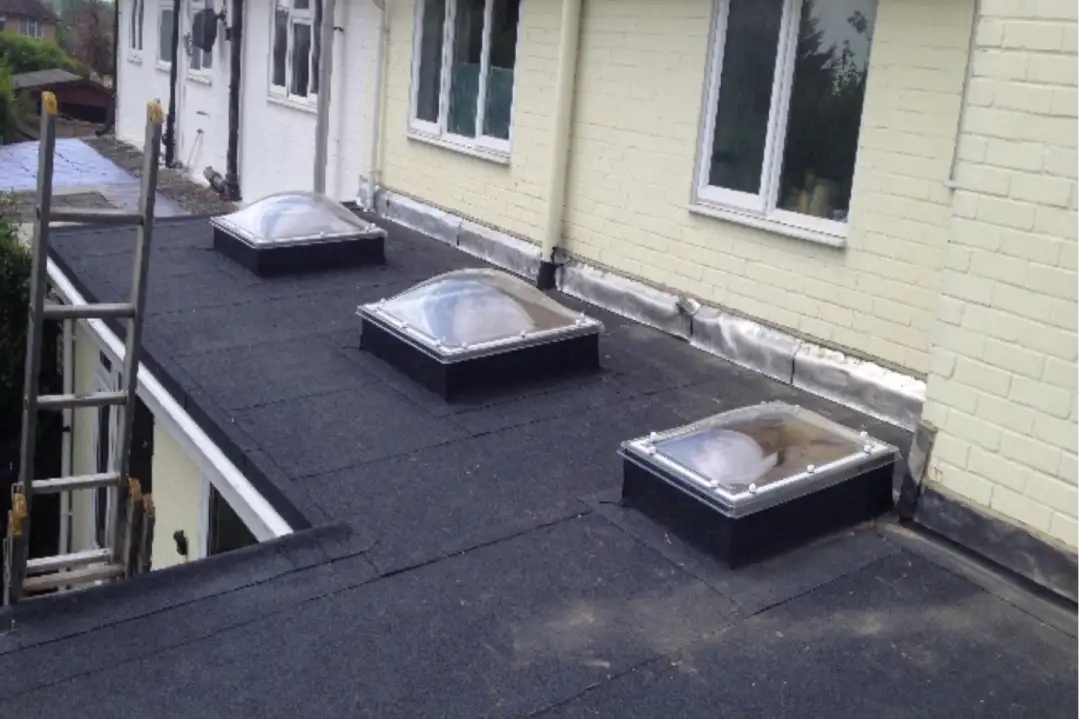
If you are asking, “What is the lifespan of a flat roof?”, the honest answer is that it depends. The roof lifespan changes based on the materials used, the quality of installation, and how well the roof is looked after over time. In the UK, flat roofs can perform very well and stay watertight for many years with proper maintenance.
How many years does a flat roof last?
So, how long does a flat roof last in real life? Many older flat roofs made with asphalt or mineral felt have an average lifespan of around 10 to 15 years. This is one reason flat roofs once had a bad reputation. If water pooling happens and is not addressed, it can lead to leaks and water damage, which reduces the roof’s lifespan.
Modern flat roofing has improved a lot. With quality materials and a sound install, a flat roof can last 20 years, 30 years, or even longer. In some cases, with high quality roofing materials, careful installation, and regular maintenance, a flat roof lasts for 50 years. That is not guaranteed for every property, but it shows what is possible when everything is done the right way.
Why Flat Roofs Sometimes Fail Early
A flat roof’s longevity is affected by several factors, and many of them are easy to understand once you know what to check. Weather conditions play a big part. Harsh weather, heavy rain, heat, frost, and strong winds can all cause damage over time. Sunlight and UV exposure can speed up deterioration in some materials, especially if the surface is already cracking.
Water is another major issue. Flat roofs are more prone to standing water than pitched roofs. If drains block with debris, or if the roof is not built with the right falls, water pooling can become common. Over time, moisture can work its way into small gaps and cause problems inside the building, including damp patches and insulation damage.
Foot traffic also matters. If builders or window cleaners regularly walk on the roof, the surface can wear faster, depending on the type of material. Even small scuffs can become weak points that later cause leaks.
Materials Used And What They Mean For Lifespan
The type of flat roofing you choose is crucial for durability. Different flat roofing materials offer different performance, resistance to damage, and expected years of service.
Modern felt roofing is usually installed as a built-up roof with layered sheets. When installed correctly, these layers form a strong barrier that helps protect the building from water. Felt can be cost effective, and it is still common in the UK. However, felt can be prone to cracking as it ages, especially after repeated heat and cold changes. If water sits on the surface for long periods, it can also speed up deterioration. With good care and regular inspections, felt may last 10 to 20 years, and sometimes longer, but it often needs repairs sooner than newer systems.
EPDM is popular because it is durable and often installed as a single ply sheet. Fewer joins can mean fewer weak points, which helps prevent leaks. EPDM can also handle changes in temperature well, which improves longevity. With high quality installation and basic maintenance, EPDM roofing commonly reaches around 30 years. Some roofs last many decades. It is resistant to weather conditions and can stay watertight even through harsh UK winters, as long as drains and edges are kept in good condition.
TPO is another single ply option and is often chosen for its heat resistance and clean finish. It can be long lasting when installed correctly, but its lifespan can vary depending on product quality and how the roof is maintained. A typical expectation is around 20 years, though some systems can perform for longer if the roof is built well and checked regularly.
GRP fibreglass creates a hard surface with a neat look, and it can provide strong resistance to water when fitted properly. Many GRP flat roofs are expected to last around 25 years, and they can last for many more years with proper maintenance. GRP is not as flexible as rubber. If the roof deck moves, cracks can form, so the build quality underneath is essential. Repairs are possible, and when done early they can help the roof stand the test of time.
Some property owners also choose lead, zinc, or copper. These can be very durable and can last for decades, but they can cost more. Concrete tiles are not common for flat roofs, but some flat roof designs use protective layers or finishes to improve performance and durability.
Installation Quality Matters More Than Most People Think
The quality of installation is one of the biggest factors in how long a flat roof lasts. Even the best roofing materials can fail early if they are installed badly.
A good install should ensure the roof is built with correct drainage so water does not sit in place for long. Details around corners, pipes, and edges must be finished well to keep everything watertight.
If these areas are rushed, leaks can start, and repairs can become frequent. If you are not experienced, a DIY approach can be risky. In most cases, it is safer to use trained roofers who know how to install the system correctly and protect the rest of the property while they work.
Insulation, Ventilation, And Moisture Control
Insulation and ventilation often get missed, but they strongly affect a roof’s lifespan. If warm air from inside the home meets a cold surface, condensation can form.
That hidden moisture can lead to rot in the deck and reduce the life of the roofing above it. A well planned flat roof should include suitable insulation and the right ventilation where required. This helps control moisture, improves comfort in the building, and can enhance the roof’s longevity.
Signs Your Flat Roof Needs Repair Or Attention
Homeowners can often spot early warning signs before bigger problems start. If you notice cracking, bubbling, lifting edges, or splits, the roof may be starting to fail.
Water marks on ceilings, damp smells, and mould can also point to water damage. If you see debris building up near drains, or you notice water pooling after rain, it is important to address it. Small issues can lead to leaks over time, and the longer they are left, the more repairs may be needed.
Proper Maintenance And Regular Inspections
Proper maintenance is essential if you want your flat roof to last. Regular maintenance does not need to be hard, but it does need to be done. Regular inspections should happen at least twice a year, often in spring and autumn.
It is also wise to check after harsh weather, especially after storms with strong winds. Clear leaves, dirt, and debris by hand where safe, and make sure outlets and gutters are not blocked. This simple step helps prevent water pooling, which is one of the most common causes of damage on flat roofs.
If you find small splits or loose areas, early repairs are usually cheaper and easier. Quick repair work can stop leaks, protect insulation, and keep the roof in good condition for longer.
Repair Or Roof Replacement: Which Makes Sense?
Sometimes repairs are enough, especially if the roof is fairly new and the problems are local. A small puncture, minor cracking, or a loose edge can often be repaired without replacing the whole roof.
However, if the roof has widespread deterioration, repeated leaks, or signs that the structure below is affected by moisture, roof replacement may be the safer choice. While replacement costs more money upfront, it can be more cost effective in the long run if you are constantly paying for call-outs and patch repairs.
Repair Or Roof Replacement: Which Makes Sense?
Sometimes repairs are enough, especially if the roof is fairly new and the problems are local. A small puncture, minor cracking, or a loose edge can often be repaired without replacing the whole roof.
However, if the roof has widespread deterioration, repeated leaks, or signs that the structure below is affected by moisture, roof replacement may be the safer choice. While replacement costs more money upfront, it can be more cost effective in the long run if you are constantly paying for call-outs and patch repairs.
Warranties, Paperwork, And Your Rights
When you install a new flat roof, ask what warranty is provided and what maintenance is required to keep it valid. Keep all paperwork in case there is an issue later. Your rights can depend on who supplied the materials and who carried out the installation, so it is important to understand what is covered and for how many years.
If there is a dispute, having photos, invoices, and inspection notes can support your case. It also helps to make sure the roof is installed to the right standard for the building.
The Lifespan Of A Flat Roof
The lifespan of a flat roof is not fixed. It depends on the type of roof, the materials used, the roof is built details, and how well it is maintained. With quality materials, quality of installation, and years with proper care, a flat roof can last many years and stay reliable. Regular inspections, quick repairs, and keeping drains clear are vital steps that help your flat roof lasts longer and performs well over time.
Are you looking for a flat roof specialist in Andover, Basingstoke or Winchester?
If you find yourself in need of a replacement flat roof, don't hesitate to contact Flat Roofers Basingstoke today! We have staff on hand to answer any questions you might have.